Troubleshooting & Analysis
Problem Identification (Hook)
Have you noticed that the red light on your Honeywell air purifier won't turn off? Perhaps your indoor air feels dustier than usual, or you’ve noticed an increase in noise levels? You're not alone. Many users experience these frustrating symptoms, which can lead to concerns about air quality and efficiency in their homes. The truth is, an air purifier is only as effective as its filter, and when it’s time for a replacement, failure to act can result in diminished performance and compromised air quality.
Troubleshooting Guide
Before you decide to replace your filter, let's troubleshoot the common issues you may be facing:
- Red Light Won't Turn Off: This indicates that your filter needs to be replaced. To reset the filter indicator light, turn off your air purifier and unplug it. Wait for a few minutes, then plug it back in. Most Honeywell models have a reset button; refer to your user manual for specific instructions.
- Dusty Air: If your air feels dusty, it’s likely that the filter is clogged. Check the filter for visible dust and replace it if necessary.
- Increased Noise: A noisy air purifier may indicate that the motor is working harder due to a dirty filter. Regularly replacing the filter can help maintain optimal noise levels.
Cost Analysis (The "Money" Section)
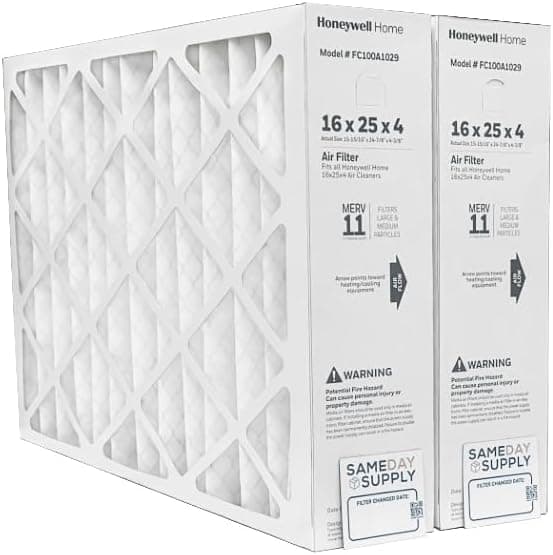
When it comes to air purifiers, you have options for replacement filters. Below is a comparison table that outlines the one-year costs of using the original Honeywell filter versus a compatible alternative.
| Filter Type | Price per Filter | Filters Needed per Year | Total Annual Cost |
|---|---|---|---|
| Original Honeywell Filter | $50 | 2 | $100 |
| Compatible Alternative | $30 | 2 | $60 |
As shown, opting for a compatible alternative can save you up to $40 annually. Not only does this help your wallet, but it also allows for more frequent filter changes, ultimately improving your air quality.
Installation Pro-Tips
Replacing your air filter isn't as simple as just plugging it in. Here are some pro tips to ensure a smooth installation:
- Flush for 3 Minutes: When you first install the new filter, run the air purifier on a high setting for about three minutes to ensure it’s working correctly.
- Click Until You Hear a Snap: Make sure the new filter is securely in place. You should hear a click or snap when the filter is properly seated.
- Check for Airflow: After installation, place your hand near the outlet to ensure airflow is strong. If it’s weak, check to see if the filter is installed correctly.
FAQ Section
Will this void my warranty?
Using compatible filters typically does not void your warranty, but it's crucial to check the warranty terms of your specific model. Most manufacturers allow the use of third-party parts as long as they meet safety standards.
How long does it last?
Most air filter replacements, whether original or compatible, last about six months under normal use. However, if you have pets or live in a dusty area, you might need to replace the filter more frequently to maintain optimal air quality.
What is the difference between True HEPA and "HEPA-type" filters?
True HEPA filters capture at least 99.97% of airborne particles as small as 0.3 microns, making them highly effective for allergens and pollutants. On the other hand, "HEPA-type" filters may not meet this stringent standard and can only remove a lesser percentage of airborne contaminants. If you’re serious about air quality, investing in a True HEPA filter is the best choice.
In conclusion, maintaining your Honeywell air purifier involves not just recognizing symptoms but also understanding the importance of timely filter replacements. By taking proactive steps in troubleshooting, cost analysis, and proper installation, you can enhance your air quality and create a healthier living environment.