Troubleshooting & Analysis
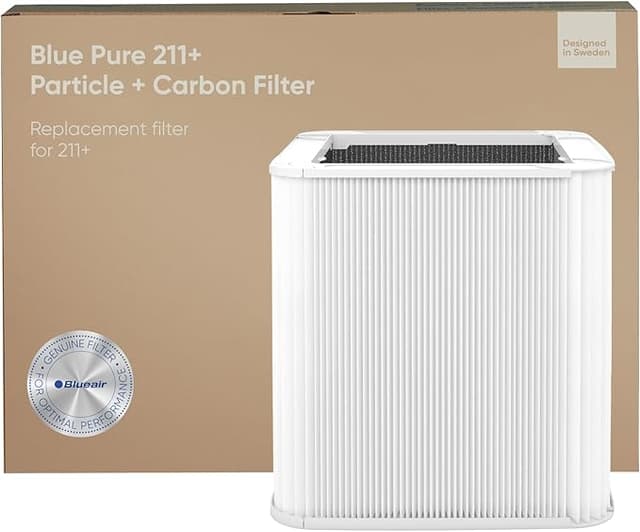
Understanding Your Blueair BLUEAIR-211-B0DD34P33Y: Common Issues and Solutions
As air quality becomes an increasingly important concern for households, having a reliable air purifier like the Blueair BLUEAIR-211-B0DD34P33Y is crucial. However, many users experience common symptoms such as blinking lights, dusty air, or increased noise levels, which can be frustrating. If you’ve noticed the red filter indicator light won’t turn off, or if you're dealing with poor air quality, this guide will help you troubleshoot these issues and understand how to effectively replace Filter C.
Troubleshooting Guide: Fixing Common Issues
When your air purifier starts showing signs of distress, it's essential to identify the problem promptly. Here are some common symptoms and solutions:
- Red Light Won't Turn Off: This typically indicates that the filter needs replacement. To reset the filter indicator light manually, follow these steps:
- Turn off the air purifier and unplug it from the power source.
- Remove the filter from the unit and inspect it for dust buildup.
- Once the filter is replaced, plug the device back in.
- Press and hold the reset button for approximately 5 seconds until the light turns off.
- Dusty Air: If you notice an increase in dust particles in your environment, it may be time for a filter change. Dirty filters can’t effectively trap allergens and dust, which can lead to poor air quality.
- Increased Noise Levels: A sudden increase in noise can occur when the air purifier struggles to pull air through a clogged filter. Replacing the filter will often remedy this issue.
Cost Analysis: Original vs. Compatible Filters
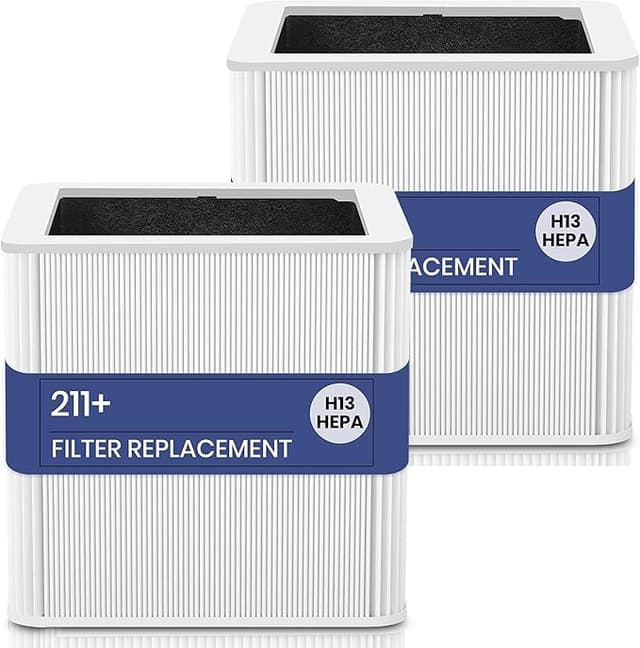
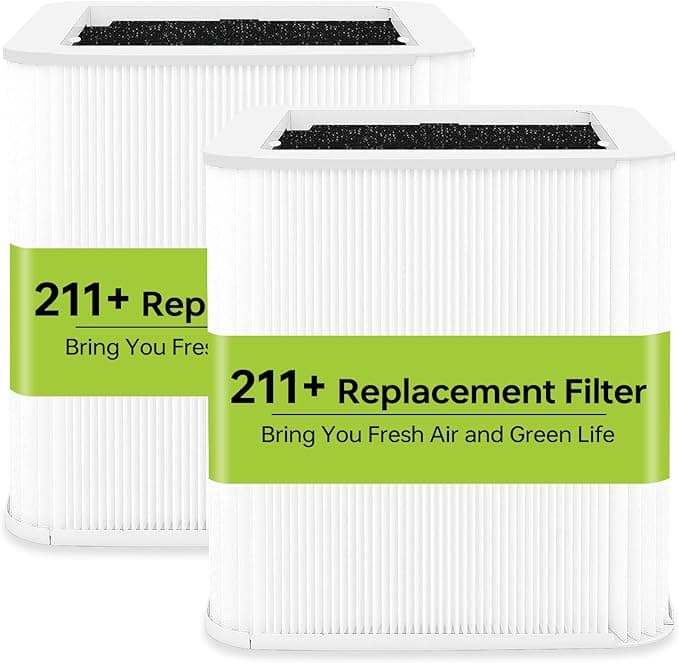
When considering replacing Filter C, it’s important to assess the cost differences between original brand filters and compatible ones. Below is a brief comparison of a one-year cost analysis:
| Filter Type | Cost per Filter | Filters Needed per Year | Total Annual Cost |
|---|---|---|---|
| Original Brand (Blueair) | $60 | 2 | $120 |
| Compatible Filter | $30 | 2 | $60 |
As demonstrated, choosing a compatible filter can save you up to $60 annually without compromising air quality, making it a smart investment for budget-conscious consumers.
Installation Pro-Tips for Your New Filter
While replacing your Blueair filter may seem simple, following a few pro-tips can enhance the process:
- Flush the Filter: Before installation, consider running the new filter under water for about 3 minutes. This can help remove any residual particles and ensure optimal performance.
- Secure Fit: When placing the new filter into the air purifier, make sure it’s aligned properly. Click until you hear a snap to ensure a secure fit, preventing air leaks that could diminish effectiveness.
- Regular Maintenance: Schedule filter replacements every six months for optimal air quality. Keeping a calendar reminder can help you stay on track.
Frequently Asked Questions
Will using a compatible filter void my warranty?
No, using a compatible filter will not void your warranty as long as the filter meets or exceeds the performance standards set by the manufacturer. However, always check the warranty details for specific conditions.
How long does a Blueair filter last?
A Blueair Filter C typically lasts around 6 months under normal usage conditions. However, if you live in a dust-prone area or have pets, you may need to replace it more frequently.
Is there a difference between True HEPA and HEPA-type filters?
Yes, there is a significant difference. True HEPA filters can capture 99.97% of particles as small as 0.3 microns, while HEPA-type filters may not meet this standard, often capturing fewer particles. For optimal air quality, always choose True HEPA filters when possible.
Conclusion
Maintaining the performance of your Blueair BLUEAIR-211-B0DD34P33Y is essential for ensuring the air quality in your home. By understanding common issues, effectively troubleshooting problems, and selecting cost-efficient replacement filters, you can enjoy cleaner, fresher air without breaking the bank. Investing in a compatible Filter C not only enhances air quality but also provides a financial advantage, making it a smart choice for any household.