Troubleshooting & Analysis
Reviving the Suction Power of Your Shark NV80: A Comprehensive Guide
If you own the Shark SHARK-NV80-B07ZKPH686 vacuum, you might have experienced a frustrating decline in suction power, or worse, an unpleasant odor during operation. These issues can stem from various factors, including clogged filters or worn-out parts. In this post, we'll explore these common problems, provide troubleshooting steps, and discuss the cost-effectiveness of replacing parts versus washing them. Let's dive in!
Problem Identification: Common Symptoms
As a proud owner of a Shark vacuum, it can be disheartening to notice changes in performance. Here are some common symptoms that indicate your vacuum may need attention:
- Loss of Suction: If your vacuum struggles to pick up dirt and debris, it may be time for a check-up.
- Odor During Operation: A dog smell or musty odor can emerge if the vacuum's filters are dirty or clogged.
- Blinking Lights: Warning lights may signal that something is amiss, often related to clogs or filter issues.
Understanding these symptoms is the first step toward restoring your vacuum's performance and ensuring a pleasant cleaning experience.
Troubleshooting Guide: Fixing Common Issues
Before considering a replacement part, it's essential to troubleshoot the issues. Here’s a simple guide:
- Check for Blockages: Start by inspecting the hose and attachments for clogs. A flashlight can help you see inside the hose.
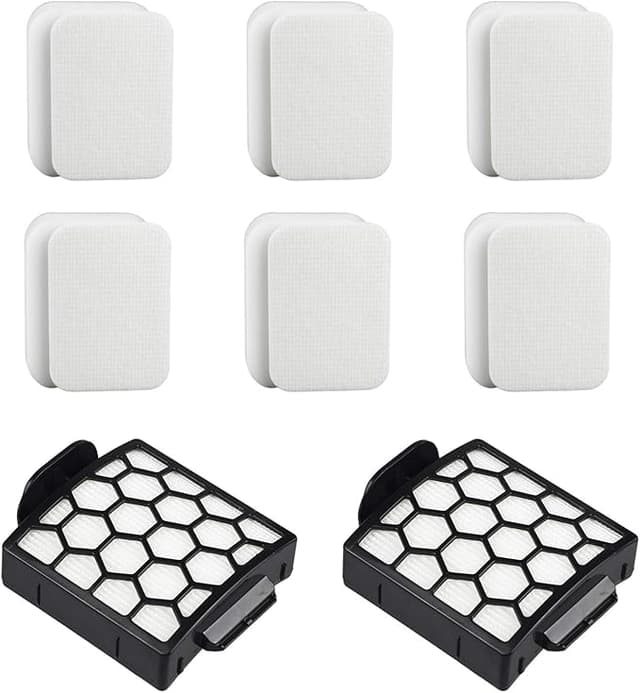
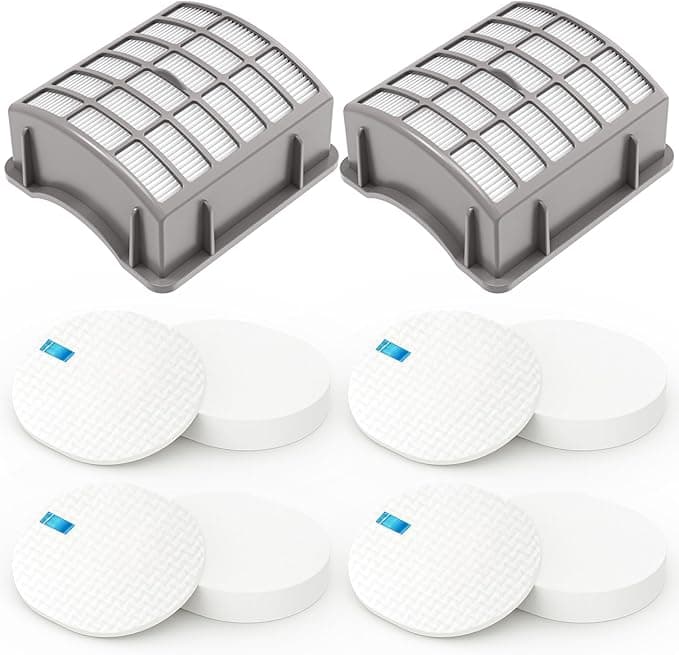
- Inspect Filters: Remove the filters and check for dirt buildup. If they’re reusable, you can wash them. However, if they are heavily soiled or damaged, replacement is advisable.
- Reset the Vacuum: If the lights are blinking, try unplugging the vacuum for 10 seconds and then plug it back in to reset the system.
- Unclog the Motor Filter: Remove the motor filter and gently tap it against a hard surface to dislodge debris. Rinse it under water, but ensure it’s completely dry before reinserting.
These steps can often resolve common issues without the need for a costly replacement.
Cost Analysis: Original Brand vs. Our Compatible Parts
When it comes to maintaining your Shark vacuum, cost is a significant factor. Below is a comparative table showcasing the 1-year costs of using original parts versus our compatible replacement parts.
| Part Type | Original Brand Cost | Compatible Brand Cost | Annual Savings |
|---|---|---|---|
| Motor Filter | $40 | $24 | $16 |
| HEPA Filter | $50 | $30 | $20 |
| Total | $90 | $54 | $36 |
Switching to our compatible parts not only maintains your vacuum's performance but also saves you money in the long run. Investing in replacement parts is often more economical and just as effective as using original brand filters.
Installation Pro-Tips
Installing replacement parts doesn't have to be daunting. Here are some pro-tips to ensure a smooth installation:
- Flush Filters: If you're washing filters, flush them under water for at least 3 minutes to ensure all debris is removed.
- Proper Placement: When inserting filters, ensure they fit snugly. You should hear a satisfying click when they are correctly in place.
- Regular Maintenance: Set a reminder to check your filters and hoses regularly, ideally every 3-6 months, to prevent performance issues.
FAQ Section
Will this void my warranty?
Using compatible parts typically does not void your warranty, but it's essential to check the terms of your specific warranty agreement. Most manufacturers allow the use of third-party parts as long as they do not cause damage.
How long does it last?
Our compatible parts are designed to last as long as original parts, with an expected lifespan of 6-12 months depending on usage. Regular maintenance can extend their life.
Can I wash the filters instead of replacing them?
While washing can sometimes restore performance, heavily soiled or damaged filters may not provide the same level of suction. If washing does not improve performance, consider replacement.
In conclusion, maintaining the suction power of your Shark NV80 vacuum is crucial for effective cleaning, especially in homes with pets. By understanding common issues, following troubleshooting steps, and considering cost-effective replacement parts, you can ensure your vacuum remains a reliable cleaning companion for years to come.