Troubleshooting & Analysis
Problem Identification: Common Symptoms of Air Quality Issues
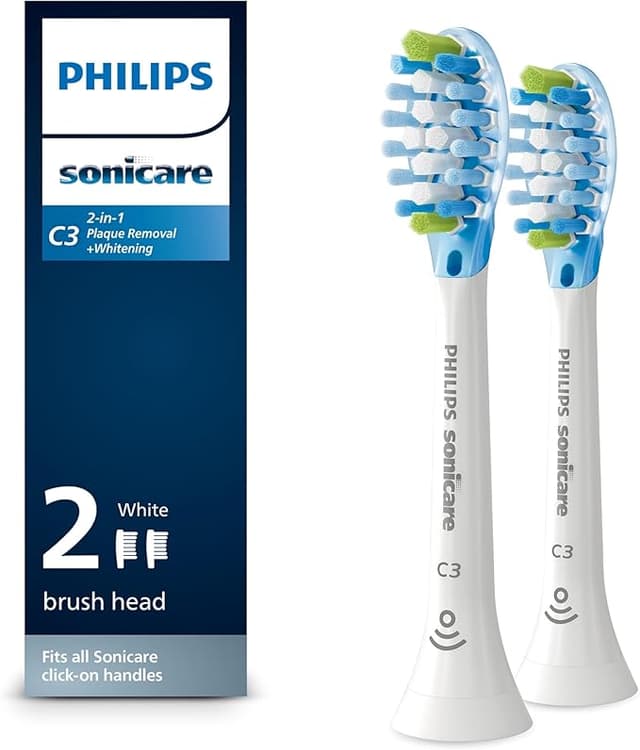
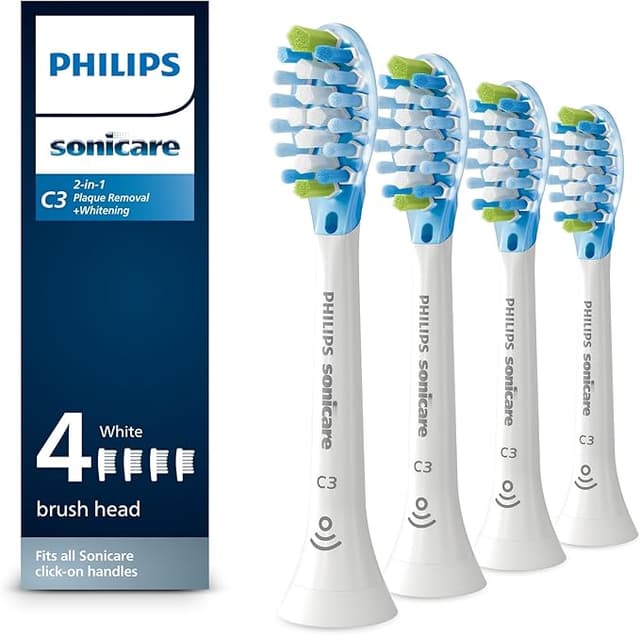
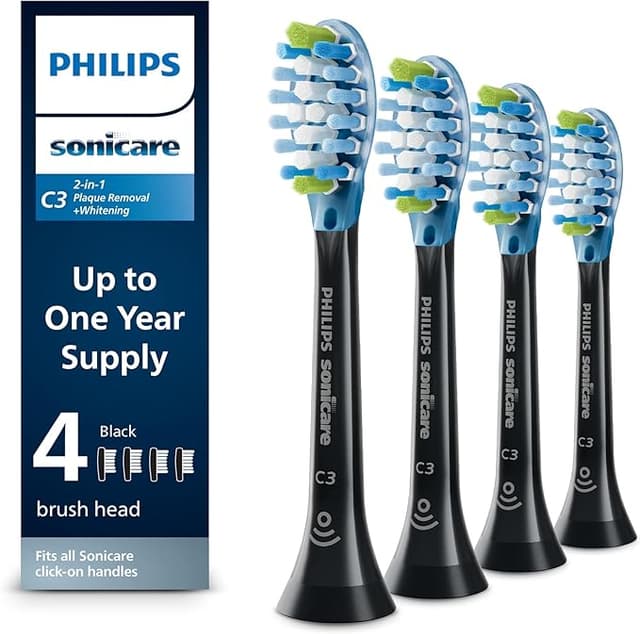
Is your Philips air purifier model PHILIPS-C3-B0D25SRDWB giving you trouble? Perhaps you’ve noticed that the red light won’t turn off, indicating that it’s time for a filter change. You may also be experiencing dusty air or increased noise levels, which can be incredibly frustrating. If you find yourself dealing with these symptoms, you’re not alone. Many users encounter similar issues that can lead to reduced air quality and efficiency in their homes.
Troubleshooting Guide: Fixing Common Issues
Before considering a replacement part, it’s crucial to troubleshoot the problems you’re facing. Here are some specific steps to address the red light issue and improve your air quality:
- Reset the Filter Indicator: Sometimes, the red light can remain on even after you’ve replaced the filter. To reset it, follow these steps:
- Turn off the air purifier and unplug it.
- Press and hold the reset button (if available) while plugging the unit back in.
- Continue holding the button for about 5 seconds until the light flickers.
- Release the button and turn the unit back on.
- Check if the red light has turned off.
- Check for Dust Accumulation: Inspect the filter for dust or debris. A clogged filter can cause the unit to work harder, leading to increased noise and decreased efficiency.
- Clean the Unit: Dust buildup on the fan and vents can also contribute to noise. Make sure to clean these areas regularly.
Cost Analysis: Original Brand vs. Compatible Filters
When it comes to maintaining your air purifier, the cost of replacement parts is a significant factor. Below is a comparison table that highlights the annual costs of using original Philips filters versus our compatible options.
| Filter Type | Annual Cost (Original Brand) | Annual Cost (Compatible) | Savings |
|---|---|---|---|
| Philips Filter | $100 | $50 | $50 |
Switching to compatible filters can save you a substantial amount over time while still ensuring high air quality. The savings are clear, making it an economically wise decision for homeowners concerned about air quality.
Installation Pro-Tips: Ensuring a Proper Fit
Installing a new filter in your Philips air purifier is not just about plugging it in. Here are some pro tips to ensure a seamless installation:
- Flush the Filter: Before installation, it's advisable to flush the new filter with water for about 3 minutes. This helps remove any manufacturing residues that could affect performance.
- Ensure a Secure Fit: When inserting the new filter, listen for a click sound, indicating that it’s securely in place. This will prevent any air leaks that could compromise efficiency.
- Follow the Manual: Always refer to the user manual for specific installation instructions tailored to your model.
FAQ Section: Common Questions Answered
Will this void my warranty?
Using compatible filters generally does not void your warranty, but it’s crucial to check the terms set by Philips. Ensure that the filters meet quality standards comparable to those of original parts.
How long does the filter last?
Typically, HEPA filters can last anywhere from 6 to 12 months, depending on usage and air quality conditions. Regularly check the filter indicator light and perform manual checks to ensure optimal performance.
Do HEPA filters really make a difference?
Yes! True HEPA filters trap 99.97% of particles as small as 0.3 microns, including dust, pollen, and pet dander. This is a significant improvement over "HEPA-type" filters, which may not provide the same level of filtration efficiency.
Conclusion
Maintaining your Philips PHILIPS-C3-B0D25SRDWB air purifier is essential for ensuring high air quality and efficiency. By recognizing common symptoms, following troubleshooting steps, and considering cost-effective replacement options, you can significantly enhance your home’s air quality. Don’t let a red light or increased noise levels compromise your indoor environment—take action today!