Troubleshooting & Analysis
Problem Identification (Hook)
Is your Dyson V10 vacuum cleaner not performing as it used to? Are you experiencing frustrating symptoms like decreased suction power or unpleasant odors when vacuuming? You’re not alone. Many users of the Dyson V10 encounter these issues, often leading to confusion and frustration. The blinking lights on the device could indicate a problem, while a persistent dog smell can turn your cleaning routine into a chore. In this article, we'll dive deep into these common problems, explore their causes, and discuss effective solutions.
Troubleshooting Guide
When your Dyson V10 starts to falter, it’s essential to troubleshoot the problem before considering replacement parts. Here are specific steps you can take:
- Check for Blockages: Start by inspecting the wand and brush head for clogs. Remove any debris that may be obstructing airflow.
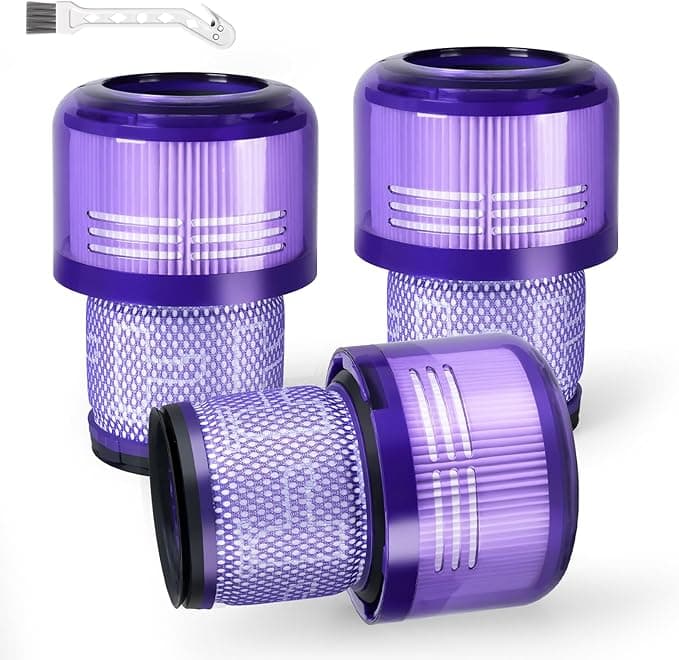
- Clean the Filters: A dirty filter can severely affect suction power. Remove the filter and wash it under cold water until the water runs clear. Let it dry for 24 hours before reinserting it.
- Inspect the Brush Bar: Hair and fibers can wrap around the brush bar, reducing its effectiveness. Remove the brush bar and clean it thoroughly.
- Reset the Vacuum: If you see blinking lights, it may be a sign of a temporary error. Turn off the vacuum, unplug it, and wait for 10 seconds before plugging it back in.
After following these steps, if your vacuum still lacks suction or emits unpleasant odors, it might be time to consider replacing parts or even the entire unit.
Cost Analysis (The "Money" Section)
Understanding the financial implications of maintaining your Dyson V10 can help you make an informed decision. Below is a generic comparison table outlining the 1-year costs of using original Dyson parts versus compatible replacements.
| Part Type | Original Dyson Cost ($) | Compatible Replacement Cost ($) | Annual Maintenance Cost ($) |
|---|---|---|---|
| Motor Filter | 50 | 25 | 75 |
| Brush Bar | 40 | 20 | 60 |
| Battery | 100 | 60 | 160 |
| Total | 190 | 105 | 295 |
As illustrated, using compatible replacement parts can save you a significant amount over the course of a year without compromising on performance.
Installation Pro-Tips
Replacing parts in your Dyson V10 can be straightforward, but there are a few tips to ensure a successful installation:
- Flush the New Filter: If you’re replacing the motor filter, flush it for at least three minutes under cold water to remove any residual dust or particles before inserting it back into the vacuum.
- Snap it in Place: When installing a new brush bar or other components, push firmly until you hear a click. This ensures the part is securely attached and will function correctly.
- Test the Performance: After installation, run the vacuum for a few minutes to check for improved suction and ensure there are no unusual noises.
FAQ Section
Will this void my warranty?
Using compatible replacement parts typically will not void your warranty, but it’s advisable to check with Dyson’s warranty policy. Keep in mind that using genuine parts may be necessary for warranty claims.
How long does it last?
The lifespan of compatible replacement parts can vary, but many are designed to match or exceed the durability of original parts. Regular maintenance, such as cleaning filters and brush bars, can significantly extend their life.
What if I still have issues after replacement?
If you continue to experience suction power or odor problems after replacing parts, it may indicate a more significant underlying issue. Consider consulting a professional technician for a thorough inspection.
In conclusion, maintaining your Dyson V10 vacuum cleaner doesn't have to be a daunting task. By identifying problems early, understanding the financial implications of replacement parts, and following installation tips, you can restore your vacuum's performance and enjoy a clean, odor-free home.