Troubleshooting & Analysis
Problem Identification (Hook)
As a proud owner of the Dyson DYSON-TP07-B0CQMWQSCL, you expect powerful suction and freshness in your home. However, over time, you may notice some troubling symptoms: perhaps your vacuum has lost its once-impressive suction power, or you detect an unpleasant dog smell wafting through your living space as you vacuum. These issues not only compromise your cleaning efforts but may also indicate underlying problems that need addressing.
Don't worry; you're not alone in this struggle. Many Dyson users face similar challenges, and understanding the root causes can help you get back to enjoying your vacuum's optimal performance. In this article, we'll explore the common symptoms, troubleshoot your vacuum, and provide you with practical solutions—ensuring your home remains clean and odor-free.
Troubleshooting Guide
When your Dyson vacuum exhibits symptoms such as decreased suction or unpleasant odors, it's essential to conduct a thorough check. Here are specific steps to help you troubleshoot:
- Check for Blockages: Start by inspecting the hose, wand, and brush bar for any clogs. Remove any debris that may be obstructing airflow.
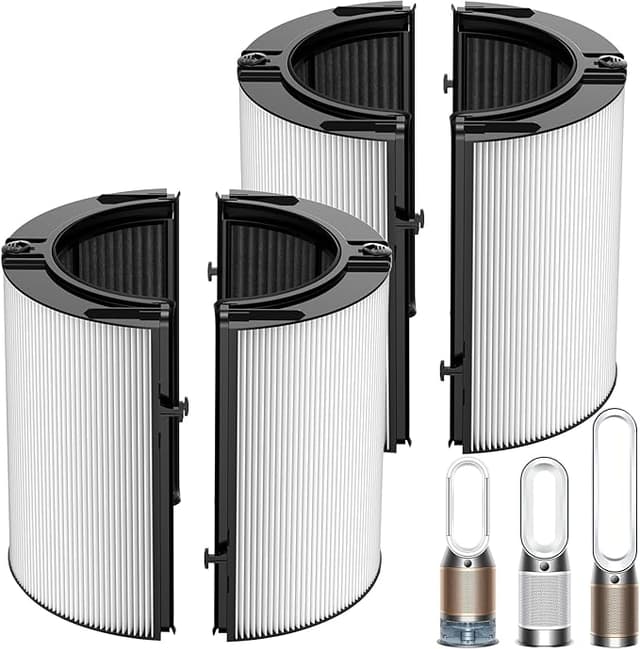
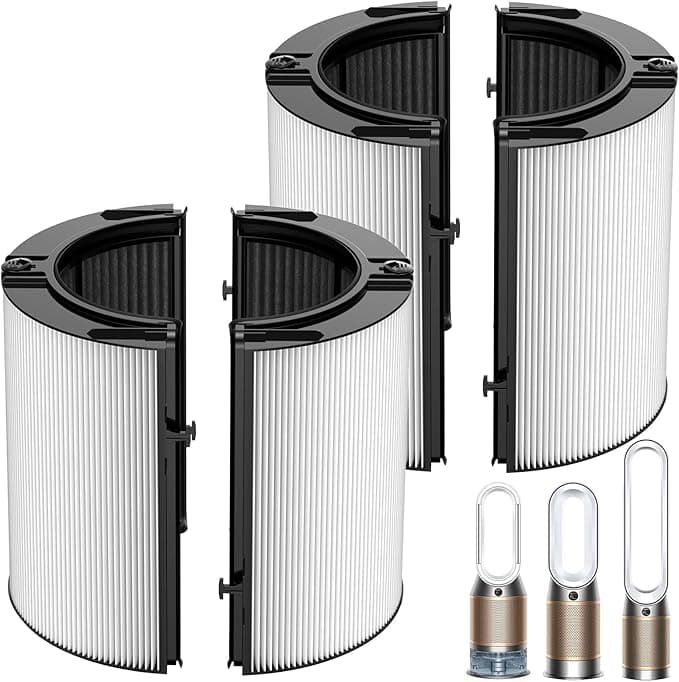
- Examine the Filters: Your Dyson has multiple filters that require regular cleaning. Remove the filters and rinse them under cold water until the water runs clear. Allow them to dry completely for at least 24 hours before reinserting.
- Inspect the Brush Bar: Hair and debris can accumulate on the brush bar, affecting suction. Remove any tangled hair or fibers to restore optimal performance.
- Reset the Vacuum: If you notice blinking lights or error messages, try resetting your vacuum by turning it off and unplugging it for a few minutes before plugging it back in.
Cost Analysis (The "Money" Section)
When considering the replacement parts for your Dyson vacuum, understanding the cost implications is crucial. Below is a comparison table that outlines the estimated one-year costs of using original Dyson parts versus compatible alternatives.
| Item | Original Dyson Part ($) | Compatible Part ($) | Annual Savings ($) |
|---|---|---|---|
| Motor Filter | 50 | 25 | 25 |
| HEPA Filter | 60 | 30 | 30 |
| Brush Bar | 40 | 20 | 20 |
| Total | 150 | 75 | 75 |
As shown, switching to compatible parts can save you a significant amount of money each year, allowing you to maintain your vacuum without breaking the bank.
Installation Pro-Tips
Installing replacement parts for your Dyson vacuum may seem straightforward, but following these tips can ensure a smooth process:
- Flush for 3 Minutes: If you're replacing the motor filter, ensure you flush it under running water for at least three minutes to remove any trapped dust and allergens.
- Listen for the Snap: When installing a new brush bar, be sure to push firmly until you hear a click, indicating that it is securely in place.
- Check Seals: Ensure that all seals are intact and properly aligned when replacing filters to prevent air leaks that can affect suction power.
FAQ Section
Here are answers to some of the most common questions regarding replacement parts for the Dyson DYSON-TP07-B0CQMWQSCL:
Will this void my warranty?
Using compatible parts generally does not void your warranty, as long as they meet the necessary specifications. However, it’s always best to check your warranty terms or consult Dyson directly for specific guidelines.
How long does it last?
Compatible parts can last anywhere from 6 months to a year, depending on usage frequency and maintenance. Regular cleaning of filters and timely replacement of worn-out components can extend their lifespan.
Can I wash the filters instead of replacing them?
While washing filters can help maintain suction, it may not be sufficient if the filter is heavily clogged or damaged. If you notice continuous suction issues or lingering odors, it may be time to consider a replacement.
By understanding these solutions and preventative measures, you can keep your Dyson vacuum running smoothly, ensuring a clean, fresh environment for you and your family.