Troubleshooting & Analysis
Is Your Dyson DYSON-TP01-B0DLH2DTB7 Losing Suction Power and Producing Unpleasant Odors?
As a Dyson vacuum owner, you cherish the superior cleaning performance that these machines are known for. However, like any appliance, they can run into issues over time. If you’re experiencing a loss of suction or a lingering pet odor when vacuuming, you’re not alone. Many users report similar problems, and they often lead to frustration and confusion. Let's explore the common symptoms, why they occur, and how to effectively resolve them.
Troubleshooting Common Issues
Before you consider replacing parts, it’s essential to troubleshoot the issues you’re facing. Here are some common symptoms and their fixes:
- Loss of Suction: This is often due to clogged filters or blockages in the hose. To address this, check the canister for debris and the filters for dirt accumulation. A clogged motor filter can significantly reduce suction.
- Bad Odors: If your vacuum emits a dog smell, it’s likely that pet hair and dander have accumulated in the filter or inside the vacuum itself. A thorough cleaning may be necessary.
- Blinking Lights or Error Messages: If your Dyson shows signs of error, it may be time to reset the vacuum. Refer to your user manual for specific reset instructions.
Cost Analysis: Original vs. Compatible Filters
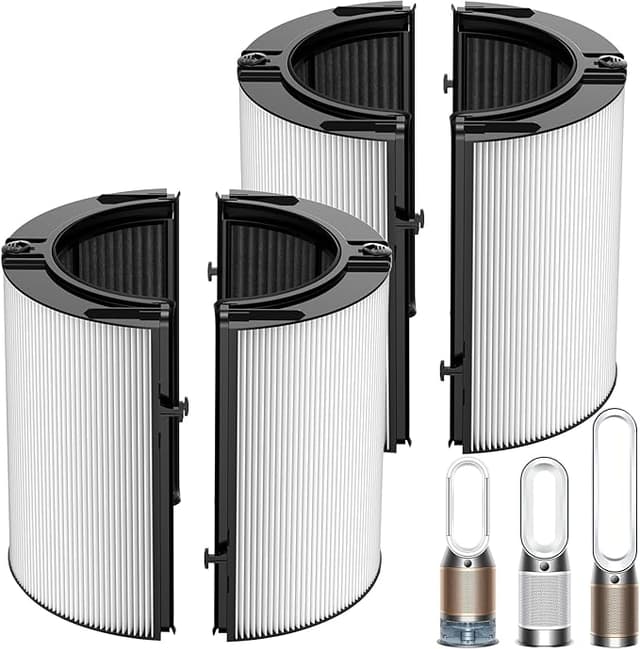
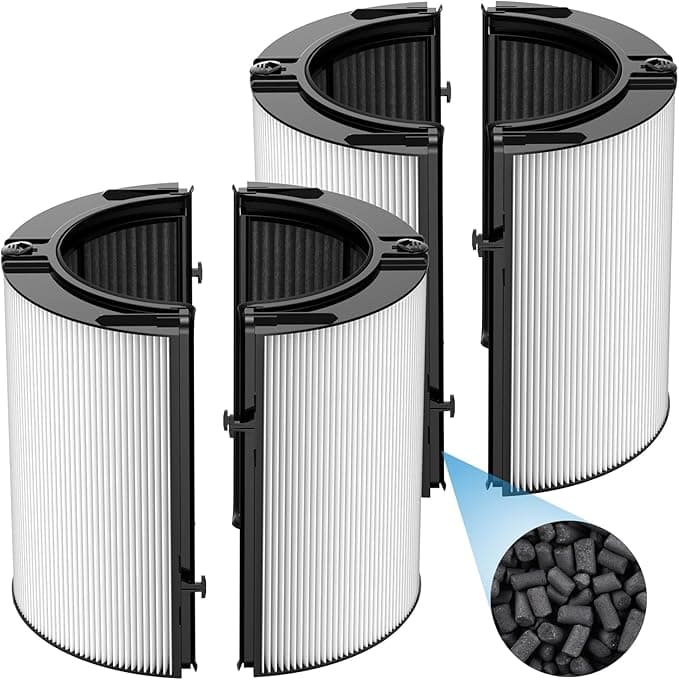
When it comes to maintaining your Dyson vacuum, one of the most significant costs can be the replacement parts, particularly filters. Below is a generic comparison of the costs associated with using the original Dyson filter versus a compatible alternative like our Filter F:
| Filter Type | Initial Cost | Annual Replacement Cost (2 filters/year) | Total Yearly Cost |
|---|---|---|---|
| Original Dyson Filter | $50 | $100 | $100 |
| Compatible Filter F | $25 | $50 | $50 |
As seen in the table, opting for a compatible filter can save you up to $50 a year. These savings add up, allowing you to maintain your vacuum without breaking the bank.
Installation Pro-Tips for Filter Replacement
Replacing your Dyson filter may seem straightforward, but there are some tips to ensure you do it correctly:
- Preparation: Before installing the new filter, flush the filter under running water for about three minutes to remove any remaining particles.
- Proper Alignment: Make sure the filter is aligned correctly with the slot. There should be no visible gaps.
- Secure Fit: Press the filter in until you hear a snap. This indicates that it is securely locked in place.
By following these tips, you can ensure that your new filter will effectively restore suction power and eliminate any lingering odors.
Frequently Asked Questions
Here are some common questions regarding filter replacement for the Dyson DYSON-TP01-B0DLH2DTB7:
1. Will using a compatible filter void my warranty?
Generally, using compatible parts does not void your warranty unless specified by the manufacturer. It’s always a good idea to check your warranty terms for any specific clauses regarding parts.
2. How long does a filter last?
The lifespan of a filter can vary based on usage, but typically, a well-maintained filter can last up to 6-12 months. Regular cleaning and proper maintenance can extend its usability.
3. Can I wash the filter instead of replacing it?
While washing the filter can remove some dirt, it may not restore full suction power or eliminate odors caused by deep-seated debris. In many cases, replacing the filter is the more effective solution.
Conclusion
Maintaining your Dyson DYSON-TP01-B0DLH2DTB7 involves more than just regular cleaning; it requires attention to its filters and components. If you're facing issues like loss of suction or unpleasant odors, consider replacing your filter with a high-quality compatible option like Filter F. Not only does it make financial sense, but it also ensures your vacuum continues to perform at its best. By understanding the importance of proper maintenance and installation, you can prolong the life of your appliance and enjoy a cleaner home.