Troubleshooting & Analysis
Problem Identification: Understanding Your Vacuum's Symptoms
If you've recently noticed your Dyson vacuum, specifically the DYSON-PH04-B0D7W3QSTD model, losing suction power or emitting unpleasant odors while in use, you're not alone. Many users encounter these frustrating issues, often leading to the conclusion that something must be wrong with their beloved vacuum. Common symptoms include:
- Blinking lights indicating potential blockages or filter issues.
- Bad smells, particularly dog odors, when vacuuming.
- Weak or inconsistent suction power.
These problems can be disheartening, especially when you rely on your vacuum for keeping your home clean and fresh. Understanding the root cause is essential in deciding whether to wash, repair, or replace any parts of your machine.
Troubleshooting Guide: Steps to Revive Your Vacuum
Before considering a replacement part, it's wise to troubleshoot the issues you’re facing. Here are some specific steps you can take:
1. Check for Blockages
Start by inspecting the vacuum hose and brush roll for any blockages that may be restricting airflow. Remove any debris or tangled hair. A clogged hose can significantly affect suction.
2. Clean the Filters
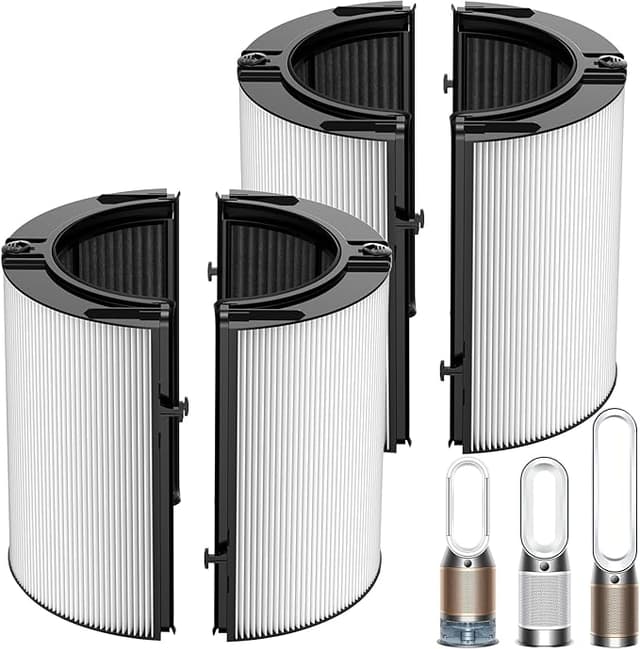
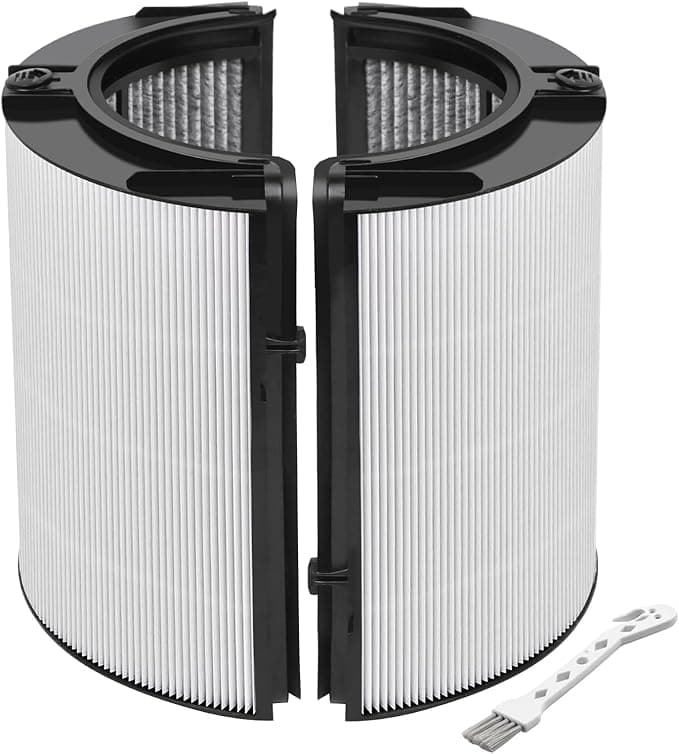
Dyson vacuums have filters that can become dirty over time. While washing them can help, it may not always restore full suction. If washing has been done multiple times, it might be time to consider a replacement filter.
3. Reset the Vacuum
If you notice blinking lights, reset your vacuum by turning it off and unplugging it for a few minutes. Plug it back in and turn it on to see if the issue persists.
4. Unclog the Motor Filter
If the problem continues, unclogging the motor filter can often resolve suction issues. Follow these steps:
- Turn off and unplug the vacuum.
- Remove the motor filter located near the motor compartment.
- Check for any debris or hair that may be stuck.
- Use a soft brush to gently clean the filter. Avoid using water; instead, use a vacuum or compressed air.
Cost Analysis: Original Brand vs. Compatible Parts
When considering replacement parts, it's essential to weigh the costs. Below is a generic cost comparison of using Original Brand parts versus our compatible options over a year.
| Part Type | Original Brand Cost (1 Year) | Compatible Part Cost (1 Year) | Savings |
|---|---|---|---|
| Motor Filter | $50 | $25 | $25 |
| Hose Assembly | $100 | $60 | $40 |
| Brush Roller | $30 | $15 | $15 |
| Total | $180 | $100 | $80 |
Switching to our compatible parts can save you up to $80 per year, making it a financially sound decision for maintaining your Dyson vacuum.
Installation Pro-Tips: Ensuring a Perfect Fit
Installing replacement parts can sometimes be tricky. Here are some expert tips to ensure a smooth installation:
- Flush for 3 Minutes: If you're replacing a filter, flush it with water for 3 minutes before installation. This helps to remove any residual debris.
- Click Until You Hear a Snap: When installing a new hose or filter, ensure that you click it into place until you hear a distinct snap. This indicates it's secured properly.
- Check Alignment: Always ensure that the parts are aligned correctly before securing them. Misalignment can lead to further issues.
FAQ Section: Common Questions About Replacement Parts
1. Will this void my warranty?
Using compatible parts typically does not void your warranty. However, it's wise to check the terms of your warranty or consult with Dyson customer service for specific guidelines.
2. How long does it last?
Compatible parts are designed to match the quality of original components and can last just as long when properly maintained. Most filters, for instance, can last about 6-12 months depending on usage.
3. Is washing the filter enough?
While washing the filter can provide temporary relief from suction loss, it may not fully restore performance. If you find that washing no longer helps, replacing the filter is often the best long-term solution.
In conclusion, addressing suction issues and odors in your Dyson vacuum is essential for maintaining a clean home. By following the troubleshooting guide, considering the cost-effectiveness of compatible parts, and utilizing expert installation tips, you can revitalize your vacuum and enjoy its powerful performance for years to come.