Troubleshooting & Analysis
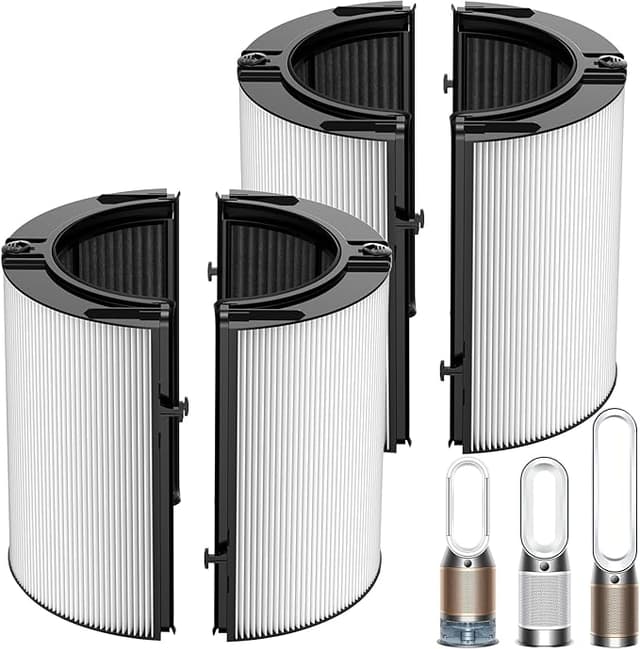
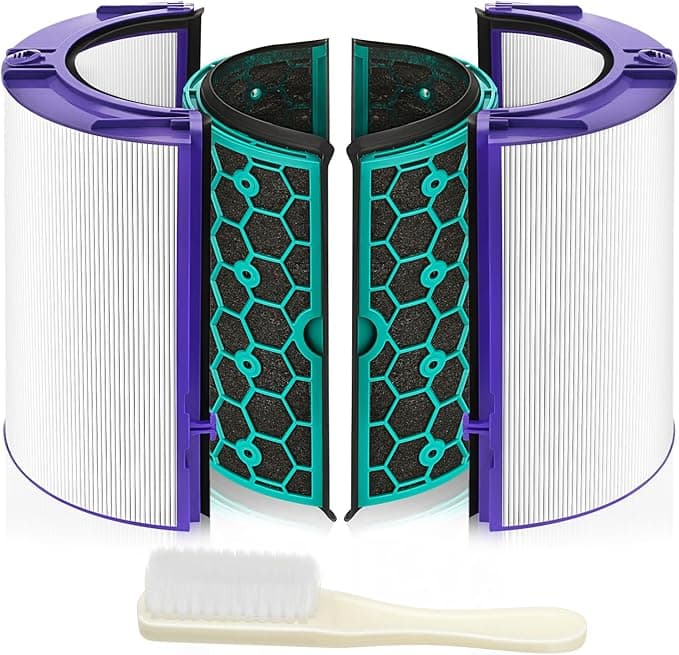
Understanding Common Vacuum Problems with the Dyson DYSON-HP09-B07T13PBW7
Every Dyson owner has experienced that frustrating moment when their vacuum just doesn't perform as it used to. Symptoms can range from a blinking light indicating a malfunction, to an unpleasant odor wafting through the air while you clean. If you're reading this, chances are you’re grappling with two common issues: loss of suction power and unwanted odors—especially if you have pets at home. Understanding the root causes of these problems can help you not only troubleshoot effectively but also make informed decisions about replacement parts.
Troubleshooting Guide: Fixing Common Issues
Before you rush out to buy a replacement part, let’s explore some troubleshooting steps that may resolve your vacuum issues.
1. Loss of Suction Power
Loss of suction is often the first sign that your vacuum needs attention. Here’s how to diagnose the problem:
- Check the Filters: A clogged or dirty filter can significantly reduce suction. Remove the filter from your Dyson and wash it under cold water. Allow it to dry completely for 24 hours before reinserting.
- Inspect for Blockages: Check the hose and brush bar for any obstructions. Use a long object, like a broom handle, to gently clear any debris.
- Clear the Dust Canister: Empty the canister regularly to prevent clogs.
2. Bad Odors During Vacuuming
A common problem for pet owners is the unpleasant odor emitted while vacuuming. Here’s how to tackle this:
- Wash the Filters: As mentioned, dirty filters can produce odors. Regular washing can help, but sometimes they need replacing.
- Deep Clean the Brush Bar: Hair and debris can accumulate on the brush bar. Remove it and clean it thoroughly to eliminate odors.
- Use Odor Neutralizers: Consider using vacuum-safe odor neutralizers to help mitigate smells while cleaning.
Cost Analysis: Original Brand vs Our Compatible Replacement Parts
When considering whether to purchase original parts or opt for compatible alternatives, the cost is often a significant factor. Here’s a breakdown of the typical 1-year costs:
| Part Type | Original Brand Cost | Compatible Brand Cost | Annual Savings |
|---|---|---|---|
| Filters | $50 | $25 | $25 |
| Brush Bar | $60 | $30 | $30 |
| Hoses | $40 | $20 | $20 |
| Total Annual Cost | $150 | $75 | $75 |
As seen in the table above, opting for compatible parts can save you a significant amount over a year, without sacrificing quality or performance.
Installation Pro-Tips for Replacement Parts
Once you’ve decided to replace a part, here are some installation tips to ensure optimal performance:
- Flush Filters: If using a washed filter, flush it under cold water for at least 3 minutes until the water runs clear.
- Secure Connections: When attaching hoses or brush bars, push firmly and listen for a click to ensure it’s locked in place.
- Check for Leaks: After installation, run the vacuum for a minute and check for any unusual noises or smells.
FAQ Section
1. Will using compatible parts void my warranty?
Generally, using compatible parts does not void your warranty, but it’s always advisable to check your warranty terms. Most manufacturers cannot void your warranty for using third-party parts unless the damage was caused by those parts.
2. How long do replacement filters last?
Replacement filters typically last about 6-12 months, depending on usage. If you have pets or vacuum frequently, consider replacing them more often.
3. Can I wash the brush bar?
Yes, you can wash the brush bar, but ensure it’s completely dry before reattaching it. Regular cleaning will help maintain its effectiveness and reduce odors.
In conclusion, tackling suction power and odor issues in your Dyson DYSON-HP09-B07T13PBW7 is manageable with the right knowledge and tools. By understanding the root causes, performing regular maintenance, and knowing when to replace parts, you can keep your vacuum running efficiently and effectively for years to come.