Troubleshooting & Analysis
Is Your Dyson HP01 Vacuum Losing Suction Power or Emitting Bad Odors?
If you own a Dyson HP01 vacuum and have noticed that it’s not performing like it used to, you’re not alone. Many users experience a decline in suction power or unpleasant odors while vacuuming. These issues can be frustrating, especially when you rely on your vacuum to keep your home clean and fresh. In this article, we’ll explore common symptoms of vacuum problems, discuss solutions, and guide you through the process of maintaining your vacuum so it can operate at peak performance.
Troubleshooting Common Issues
Before you rush to replace parts or call for repairs, it’s essential to identify the specific issue you’re facing. Here are some common symptoms and troubleshooting steps:
- Loss of Suction: If your vacuum is struggling to pick up dirt and debris, check the following:
- Ensure the dust bin is empty and properly installed.
- Inspect the brush bar and remove any tangled hair or debris.
- Examine the filters; a clogged filter can significantly reduce suction.
- Odor While Vacuuming: If you notice a foul smell, it could be due to:
- Dust and dirt buildup in the filters.
- Pet hair clogging the motor filter.
- A need for a filter replacement; odors can linger if filters are not maintained.
By following these troubleshooting steps, you can often restore your vacuum’s performance without spending a fortune on repairs.
Cost Analysis: Original Parts vs. Compatible Filters
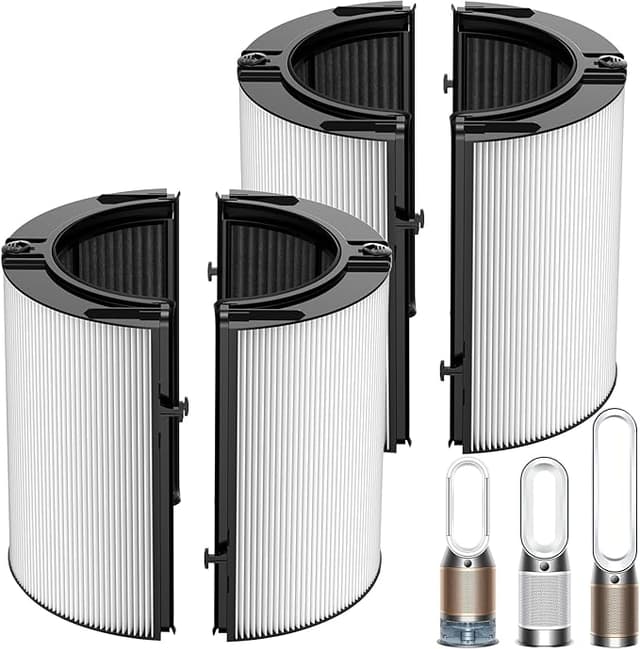
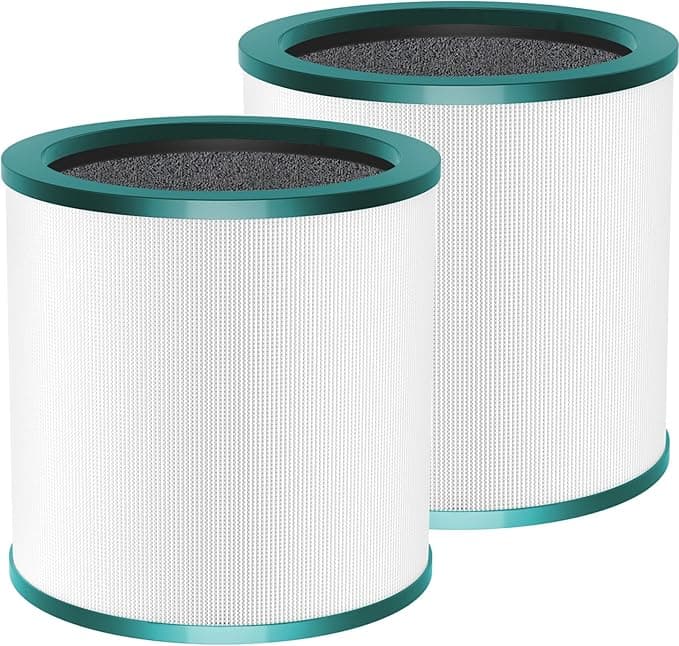
When it comes to maintaining your Dyson HP01, the cost of replacement parts can add up over time. Here’s a quick comparison of the one-year costs for the original Dyson filter versus our compatible filter option:
| Part | Original Dyson Filter Cost | Compatible Filter Cost | Annual Savings |
|---|---|---|---|
| Filter C | $50 | $25 | $25 |
As you can see, choosing a compatible filter can save you a significant amount of money without compromising on quality. Maintaining your vacuum with the right parts can ensure it runs efficiently while keeping your budget intact.
Installation Pro-Tips for Filter Replacement
Replacing your Dyson HP01 filter is straightforward, but there are a few tips that can make the process smoother:
- Preparation: Before starting, ensure that your vacuum is unplugged to avoid any accidents.
- Flush the Filter: If you decide to wash the filter instead of replacing it, run it under cool water for 3 minutes. This helps remove dirt and debris more effectively.
- Proper Installation: When inserting the new filter, make sure to click it into place until you hear a snap. This ensures a secure fit and prevents any operational issues.
Following these tips can help you avoid common pitfalls and ensure your filter works efficiently.
Frequently Asked Questions (FAQs)
Will using a compatible filter void my warranty?
Using a compatible filter does not typically void your warranty, but it’s always best to check your warranty terms. Most manufacturers allow the use of compatible parts as long as they meet quality standards.
How long does a filter last?
Depending on your usage and home environment, a filter can last anywhere from 6 to 12 months. Regular maintenance, such as washing or replacing, will extend its lifespan and maintain vacuum performance.
What if my vacuum still smells after replacing the filter?
If you’ve replaced the filter but still experience odors, check for blockages in the vacuum’s hose or brush bar. Additionally, consider cleaning the vacuum’s exterior and checking for any trapped debris in hard-to-reach areas.
Conclusion
Maintaining your Dyson HP01 vacuum is essential for optimal performance, especially when it comes to suction power and odor control. By identifying common issues, understanding the cost of replacement parts, and following installation tips, you can ensure your vacuum runs smoothly for years to come. Don’t let a decline in performance dampen your cleaning routine—invest in the right filter and take control of your vacuum’s health today!