Troubleshooting & Analysis
Problem Identification: Is Your Bissell Losing Suction Power or Emitting Odors?
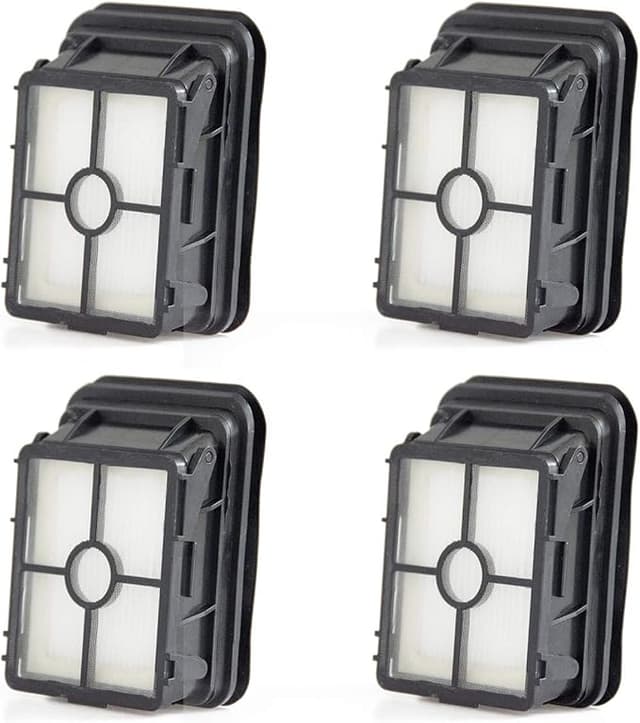
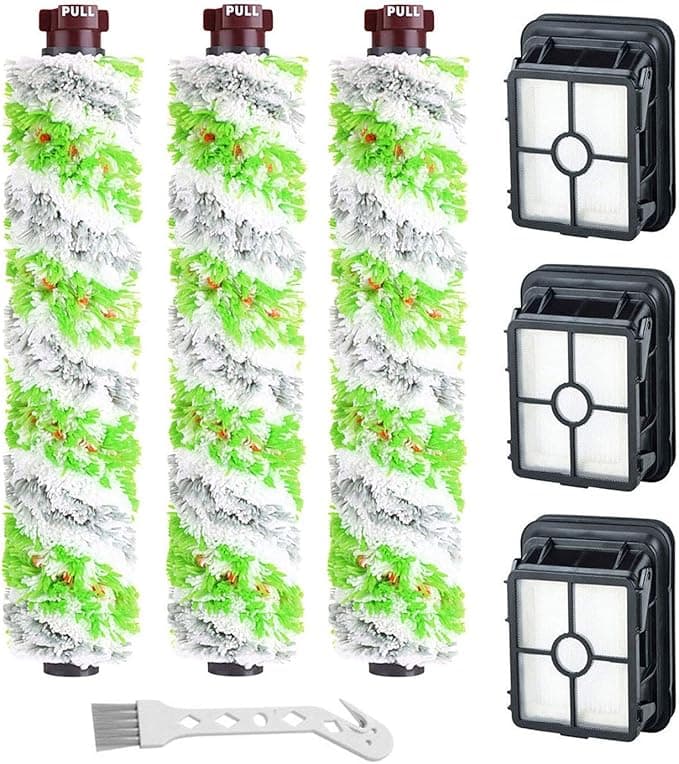
Are you struggling with your Bissell BISSELL-3568-B0DT8SWSPP vacuum cleaner? If you’re noticing a decline in suction power or an unpleasant smell while vacuuming, you’re not alone. Many users encounter these common issues that can be incredibly frustrating, especially if you have pets or allergies. The good news is that most of these problems can be traced back to a single culprit: the filter. Let's dive into how to identify these symptoms and understand their implications.
Troubleshooting Guide: Steps to Restore Your Vacuum’s Performance
Before you rush to buy a replacement filter, let’s troubleshoot the common issues:
- Loss of Suction: Start by checking the filter. A clogged or dirty filter can significantly reduce suction power.
- Bad Odors: If you notice a pet odor while vacuuming, it’s likely due to a dirty filter that’s not effectively trapping pet dander and odors.
- Blinking Lights: If your vacuum’s lights are blinking, this often indicates that the filter is clogged or needs cleaning.
To reset any warning lights, follow these simple steps:
- Turn off the vacuum and unplug it.
- Remove the filter and clean it thoroughly.
- Plug the vacuum back in and turn it on.
- If the lights continue blinking, consider replacing the filter.
Cost Analysis: Investing in Your Vacuum’s Longevity
When it comes to maintaining your vacuum’s efficiency, the cost of replacement parts can add up quickly. Here’s a breakdown of the costs you might incur over a year when choosing between the original Bissell filter and a compatible replacement filter:
| Filter Type | Cost per Filter | Filters Needed per Year | Annual Cost |
|---|---|---|---|
| Original Bissell Filter | $20 | 3 | $60 |
| Compatible Replacement Filter | $10 | 3 | $30 |
By opting for a compatible replacement filter, you could save up to $30 annually, all while ensuring that your vacuum operates at peak performance.
Installation Pro-Tips: Get the Most Out of Your Replacement Filter
Replacing your vacuum filter is a straightforward process, but here are some pro-tips to ensure you do it correctly:
- Before installation, rinse the filter under warm water for about 3 minutes to remove any loose debris.
- Make sure the filter is completely dry before inserting it back into the vacuum to prevent moisture buildup.
- When inserting the filter, listen for a click to ensure it is securely in place.
By following these tips, you can maximize the life of your new filter and ensure your vacuum runs efficiently.
FAQ Section: Answering Your Most Common Questions
Will using a compatible filter void my warranty?
No, using a compatible filter does not void your warranty as long as it meets the specifications of the original part. Always check your warranty policy for specifics.
How often should I replace the filter?
It’s recommended to replace the filter every 3 to 6 months, depending on usage. If you have pets or suffer from allergies, you may need to replace it more frequently to maintain optimal suction and odor control.
How long does a replacement filter last?
A high-quality replacement filter can last up to a year with proper care and maintenance. Regular cleaning can extend its life, but it’s crucial to monitor its condition and replace it when necessary.
In conclusion, maintaining your Bissell BISSELL-3568-B0DT8SWSPP vacuum cleaner is essential for keeping your home clean and odor-free. By understanding the common problems, conducting basic troubleshooting, and investing in quality replacement filters, you can restore your vacuum’s performance and enjoy a cleaner living environment.