Troubleshooting & Analysis
Problem Identification: Understanding Your Vacuum's Performance Issues
If you're a proud owner of the Bissell BISSELL-2596-B09R1V3KYW vacuum, you may have encountered some frustrating symptoms over time. Perhaps you've noticed a decrease in suction power, or maybe an unpleasant odor fills the room when you turn on your vacuum. These issues can be both annoying and concerning, especially if you rely on your vacuum to keep your home clean and fresh, particularly in homes with pets.
Common symptoms you may recognize include:
- Blinking lights indicating a malfunction
- Strange smells, especially a lingering dog odor
- Inconsistent suction power, making cleaning more difficult
Understanding these symptoms is the first step in identifying the root cause, and luckily, there are effective solutions available to restore your vacuum's performance.
Troubleshooting Guide: Steps to Fix Common Issues
Before you rush to replace your vacuum, consider a few troubleshooting steps that can often resolve the problems you’re facing.
1. Check for Clogs
The first thing to do is to inspect the vacuum for clogs. Blockages in the hose or filters can significantly reduce suction power.
2. Clean the Filters
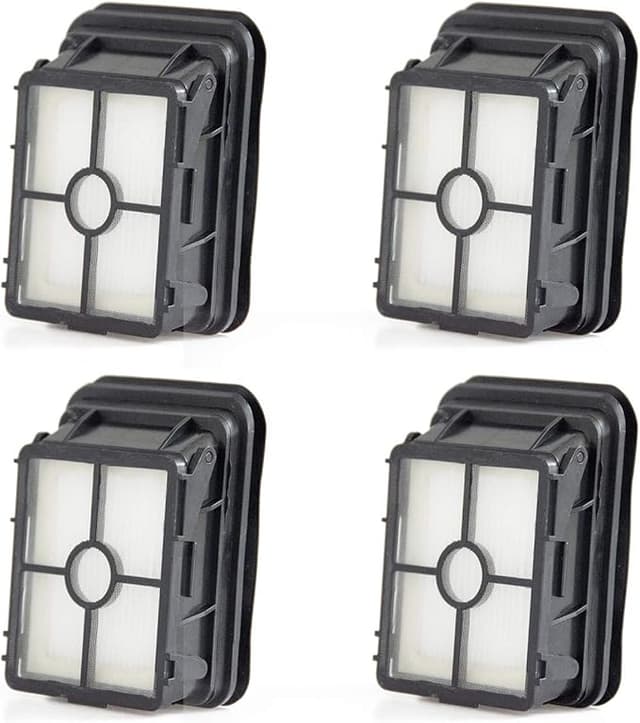
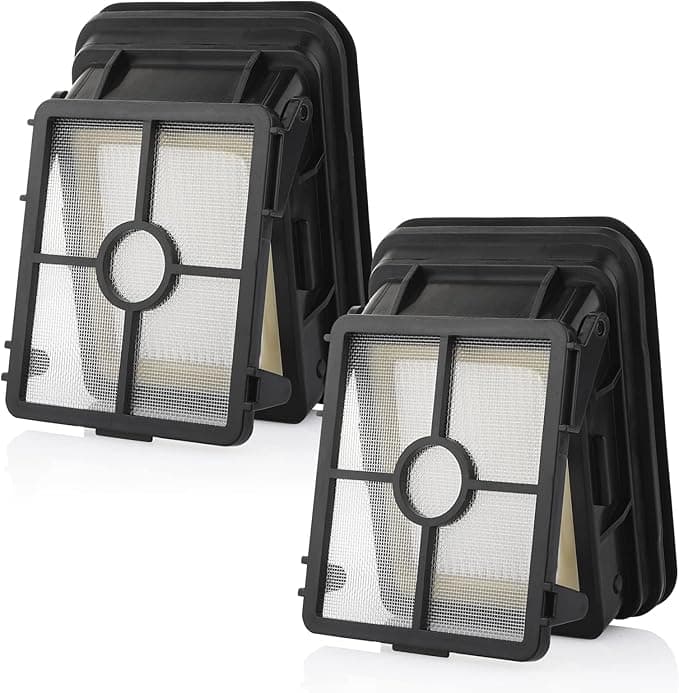
Filters can become clogged with dust and debris. Remove and wash them according to the manufacturer's instructions. However, washing isn’t always enough. If your filters are damaged or excessively worn, replacing them is crucial.
3. Resetting the Vacuum
If your vacuum is displaying blinking lights, it may need a reset. Unplug the vacuum, wait for 10 seconds, and plug it back in. This simple action can often resolve minor electronic issues.
4. Inspect for Odor Sources
Unpleasant smells can be caused by trapped particles and pet hair. Ensure the vacuum's dustbin is emptied regularly, and clean any areas where hair can accumulate.
Cost Analysis: Investing in Original vs. Compatible Parts
When considering repairs or replacements, it’s essential to evaluate the costs involved. Below is a comparison table that outlines the estimated yearly costs of using original Bissell parts versus our compatible options.
| Part Type | Original Bissell Cost | Our Compatible Cost | Annual Savings |
|---|---|---|---|
| Filters | $50 | $30 | $20 |
| Hose | $80 | $50 | $30 |
| Brush Roll | $70 | $40 | $30 |
| Total Annual Cost | $200 | $120 | $80 |
Switching to compatible parts not only maintains your vacuum's performance but also offers substantial savings over time. This investment logic is crucial, especially if you want to ensure that your vacuum remains a reliable cleaning partner.
Installation Pro-Tips: Ensuring a Smooth Replacement Process
Once you've decided to replace parts, follow these installation tips to ensure everything fits perfectly:
- Flush Filters: If you are replacing filters, flush them with water for around three minutes before installation to ensure maximum effectiveness.
- Secure Connections: When connecting parts, listen for a “snap” sound to ensure they are securely in place.
- Refer to the Manual: Always double-check your vacuum's user manual for specific installation instructions tailored to your model.
FAQ Section: Addressing Your Concerns
Will using compatible parts void my warranty?
Using compatible parts typically does not void your warranty, but it’s always best to check the specific terms provided by Bissell. Many users have successfully used compatible parts without issues.
How long do compatible parts last compared to original ones?
Compatible parts are designed to meet or exceed the lifespan of original parts. Generally, you can expect them to last about the same duration, provided they are maintained properly.
What should I do if the smell persists after replacing parts?
If odors continue after replacing filters and cleaning the vacuum, consider inspecting other areas, such as the brush roll or the vacuum bag. Sometimes, deep cleaning these components is necessary to eliminate trapped odors.
In conclusion, maintaining your Bissell BISSELL-2596-B09R1V3KYW vacuum doesn’t have to be an expensive endeavor. By understanding the common issues, applying troubleshooting techniques, and investing in compatible replacement parts, you can restore your vacuum’s performance and keep your home smelling fresh.