Troubleshooting & Analysis
Is Your Bissell Vacuum Losing Suction Power and Emitting Unpleasant Odors?
If you own a Bissell vacuum, you may have experienced the frustration of a machine that’s lost its suction power or is emitting unpleasant odors, especially if you have pets. Common symptoms might include blinking lights, strange smells, or error messages. These issues can disrupt your cleaning routine and leave you feeling overwhelmed. But don’t worry; you’re not alone, and there are solutions available. Let's dive into troubleshooting these common problems and discuss the replacement part that can revitalize your vacuum cleaner.
Troubleshooting Guide: Fixing Common Issues
Before you start considering replacement parts, it’s important to troubleshoot your vacuum. Follow these steps to identify and potentially resolve the issues:
- Check for Blockages: Inspect the hose and brush roll for clogs. Remove any debris that may be obstructing airflow.
- Inspect the Filters: Dirty or clogged filters can significantly reduce suction. Remove and clean them according to the manufacturer’s instructions.
- Reset the Vacuum: If you see blinking lights or error codes, try resetting the vacuum. This process usually involves unplugging the unit for a few minutes before plugging it back in.
- Check for Wear and Tear: Examine the brush roll and belts for signs of wear. If they appear damaged, replacement may be necessary.
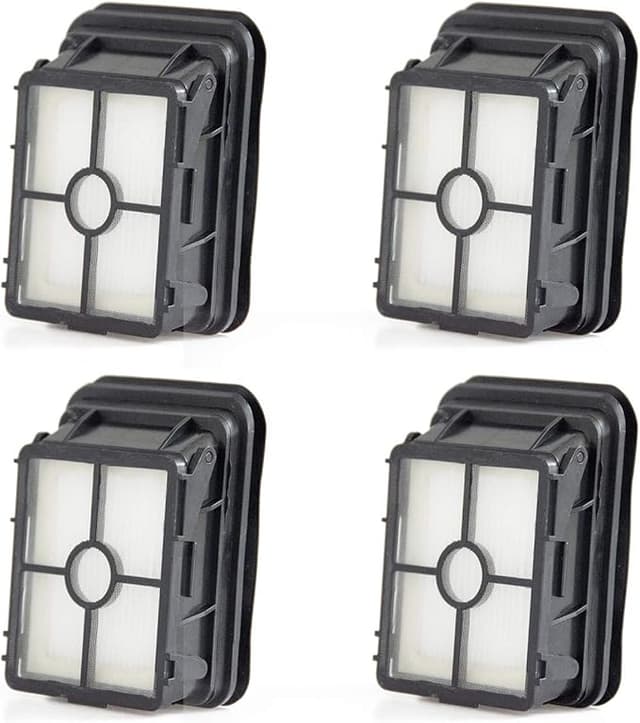
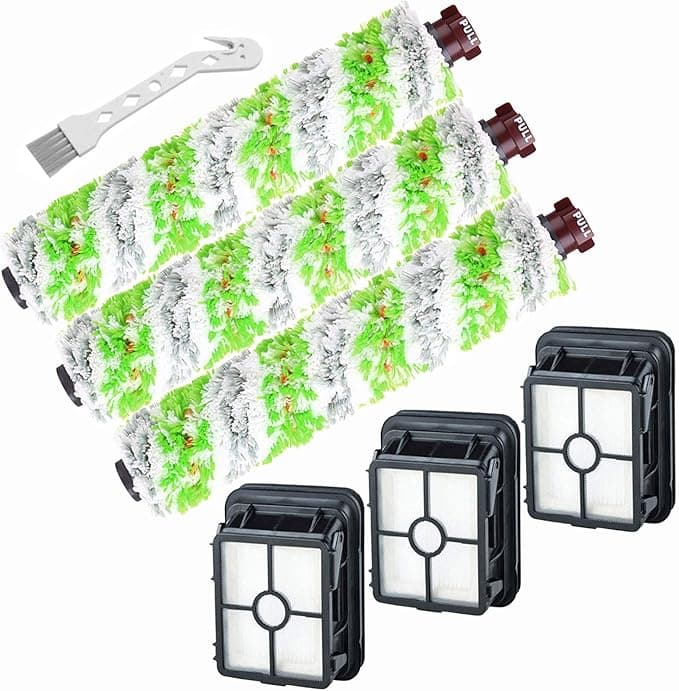
After going through these steps, if you’re still facing issues, it might be time to consider replacing the motor filter with part number 1613568.
Cost Analysis: Original vs. Compatible Parts
When considering replacements, it’s crucial to evaluate costs. Below is a comparison table illustrating the one-year costs of using the original Bissell part versus a compatible part.
| Item | Original Bissell Part | Compatible Replacement Part |
|---|---|---|
| Cost per Part | $30 | $15 |
| Number of Replacements Needed in a Year | 2 | 1 |
| Total Annual Cost | $60 | $15 |
As you can see, by opting for the compatible part, you could save around $45 annually while restoring your vacuum’s performance.
Installation Pro-Tips: Getting It Right the First Time
Installing the replacement part is straightforward, but here are some pro-tips to ensure you do it correctly:
- Safety First: Always unplug your vacuum before starting any maintenance work.
- Flush the Filter: Before installation, it’s a good idea to flush the new filter under running water for about 3 minutes to remove any manufacturing residue.
- Secure Installation: When fitting the new filter, ensure that you click it into place until you hear a noticeable snap. This guarantees that the filter is seated correctly.
- Test the Suction: After installation, run a quick test to confirm that your vacuum is performing optimally.
Frequently Asked Questions
1. Will using a compatible replacement part void my warranty?
Generally, using compatible parts should not void your warranty, but it’s advisable to check the specific terms of your warranty agreement. Most manufacturers allow the use of third-party components as long as they do not cause damage to the vacuum.
2. How long does the replacement part last?
The replacement motor filter can last anywhere between 6 to 12 months, depending on usage. Regular maintenance, such as cleaning and checking for blockages, can help extend its lifespan.
3. What should I do if the odor persists after replacing the filter?
If you still notice odors after replacing the filter, ensure that the vacuum's dust bin is empty and clean. Additionally, inspect the hose and other components for any trapped debris that might be causing the smell.
In conclusion, if you’re experiencing suction loss or odors from your Bissell vacuum, troubleshooting and replacing the motor filter with part number 1613568 can significantly enhance its performance. Not only does it provide a cost-effective solution, but it also ensures a cleaner and fresher home environment for you and your pets.