Troubleshooting & Analysis
Problem Identification: Is Your Bissell Vacuum Underperforming?
If you own a Bissell vacuum, you may have experienced frustrating moments when it just doesn't perform as expected. Common symptoms include a noticeable loss of suction, blinking lights, and unpleasant odors—especially if you have pets. It's disheartening to see your trusty vacuum struggling, and you might wonder if it's time for a replacement or if a simple cleaning will do the trick.
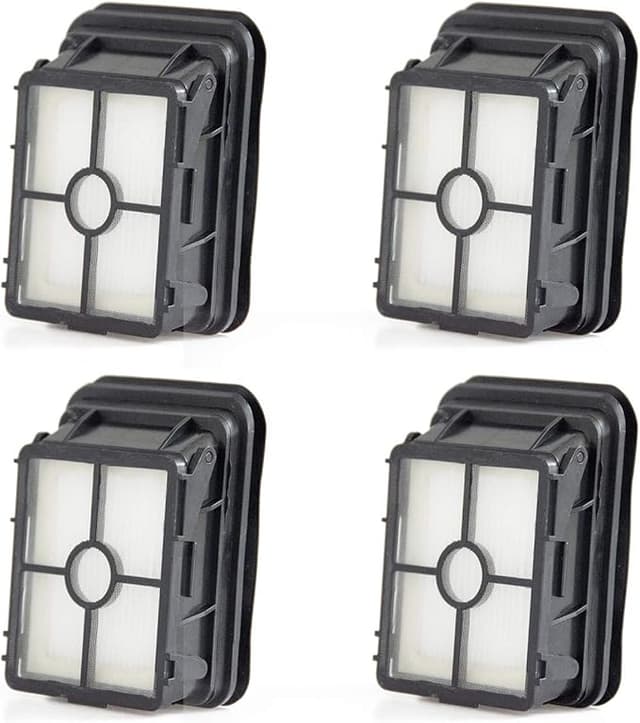
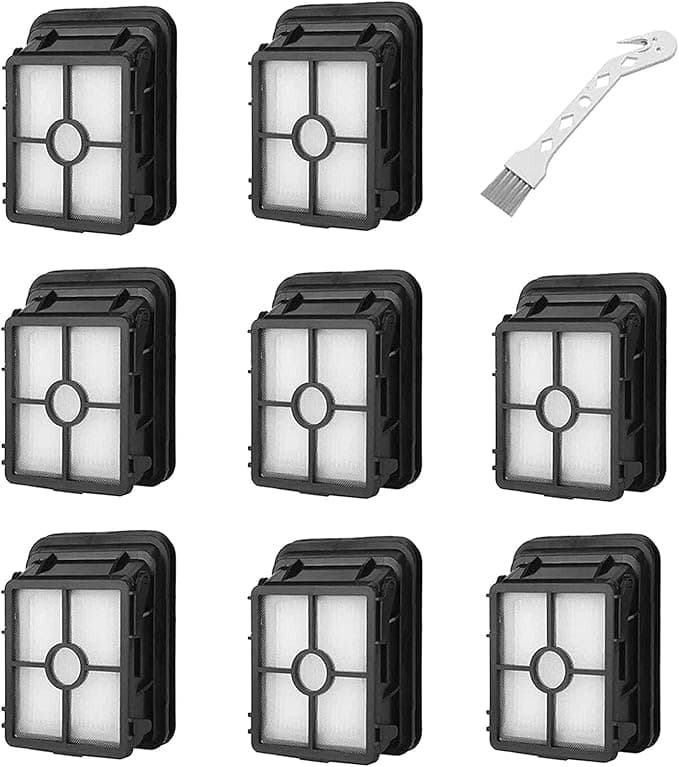
Let's explore these issues in-depth and find out how to restore your Bissell BISSELL-2304-B094QSPBZ7 to its full potential. Understanding the root causes is the first step towards effective solutions.
Troubleshooting Guide: Resolving Common Issues
Here are some specific steps to troubleshoot common vacuum problems:
- Loss of Suction:
- Check the filters. A clogged filter can significantly reduce suction power.
- Inspect the hose for obstructions. A simple blockage can cause a major drop in performance.
- Ensure the dust bin is empty; an overfilled bin will restrict airflow.
- Unpleasant Odors:
- Clean or replace the motor filter. Pet hair and dander can cause foul smells.
- Check the brush roll for hair or debris that may lead to bacteria growth.
- Use deodorizing vacuum bags or filters designed to neutralize odors.
- Blurry or Blinking Lights:
- Reset the vacuum by unplugging it for 30 seconds.
- Inspect the power cord for any damages that may cause electrical issues.
Cost Analysis: Original vs. Compatible Parts
When considering the maintenance of your vacuum, understanding the cost implications of genuine parts versus compatible replacements is crucial. Below is a comparison table of the estimated costs over one year:
| Part Type | Cost per Unit | Replacement Frequency | Annual Cost |
|---|---|---|---|
| Original Bissell Part (1608684) | $25 | 2 times | $50 |
| Compatible Replacement (Our Part) | $12 | 2 times | $24 |
By opting for our compatible replacement part, you can save a significant amount—over 50% in annual costs. Not only does this make financial sense, but it also ensures your vacuum operates effectively, combating those pesky odors and restoring suction power.
Installation Pro-Tips: Getting it Right the First Time
Installing a new filter or part can seem straightforward, but following best practices will help you ensure it’s done correctly:
- Flush for 3 Minutes: If you're replacing the filter, run the vacuum without it for a few minutes to clear any residual dirt.
- Click Until You Hear a Snap: When installing the new part, ensure it is securely in place; you should hear a click to confirm it’s properly seated.
- Check for Leaks: After installation, run the vacuum briefly and check for any air leaks around the new part.
FAQ Section: Common Questions About the Replacement Part
1. Will this void my warranty?
Using compatible replacement parts typically does not void your warranty, but it’s always best to check with your specific warranty terms. Most warranties cover wear and tear, but they often stipulate that genuine parts should be used for repairs.
2. How long does it last?
The lifespan of a compatible replacement part varies based on usage, but on average, you can expect it to last approximately 6-12 months, depending on your vacuuming habits and the type of debris you typically encounter.
3. Can I wash the filter instead of replacing it?
While washing the filter can extend its life, it’s not always effective in removing deep-seated odors or accumulated dirt. If you've noticed a persistent smell or reduced suction, it’s advisable to replace the filter altogether for optimal performance.
In conclusion, maintaining your Bissell BISSELL-2304-B094QSPBZ7 vacuum cleaner doesn’t have to be a daunting task. By understanding the common issues, performing regular maintenance, and making smart choices about replacements, you can keep your vacuum running efficiently, saving both time and money while enjoying a cleaner, fresher home.