Troubleshooting & Analysis
Problem Identification: Is Your Bissell Vacuum Underperforming?
Have you ever noticed your Bissell BISSELL-2303-B09R1V3KYW vacuum losing suction power, leaving behind pet hair and dust instead of sucking it up? Or perhaps you've detected a lingering dog smell every time you vacuum, making the chore even less enjoyable. These are common frustrations experienced by many vacuum owners, and understanding the root cause can be the first step toward a solution.
When your vacuum starts exhibiting symptoms such as blinking lights, bad smells, or unexpected errors, it can be disheartening. These signs indicate that something is amiss, but the good news is that most of the issues can be resolved without needing to invest in a brand-new vacuum. Let’s dive deeper into troubleshooting and explore how to restore your vacuum's performance.
Troubleshooting Guide: Fixing Common Issues
Here are specific steps to help you troubleshoot the common problems associated with your Bissell vacuum:
1. Lost Suction Power
- Check and Empty the Dustbin: A full dustbin can severely affect suction power. Empty it regularly to ensure optimal performance.
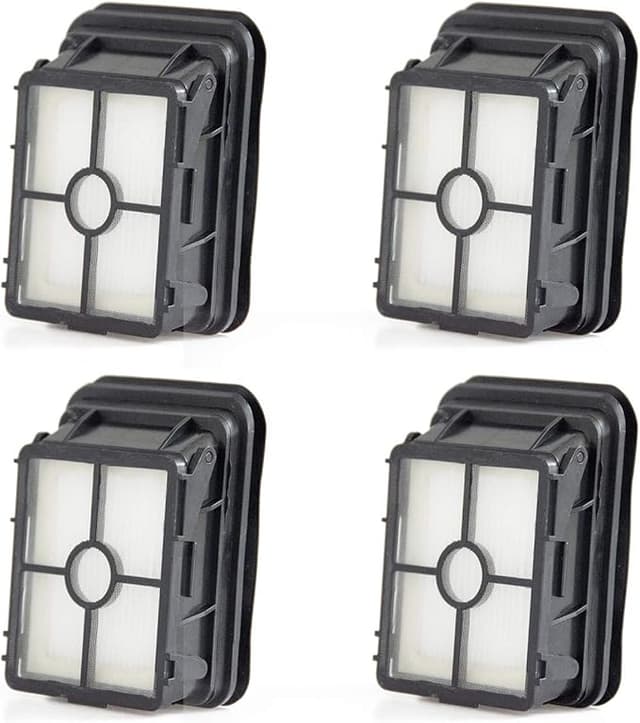
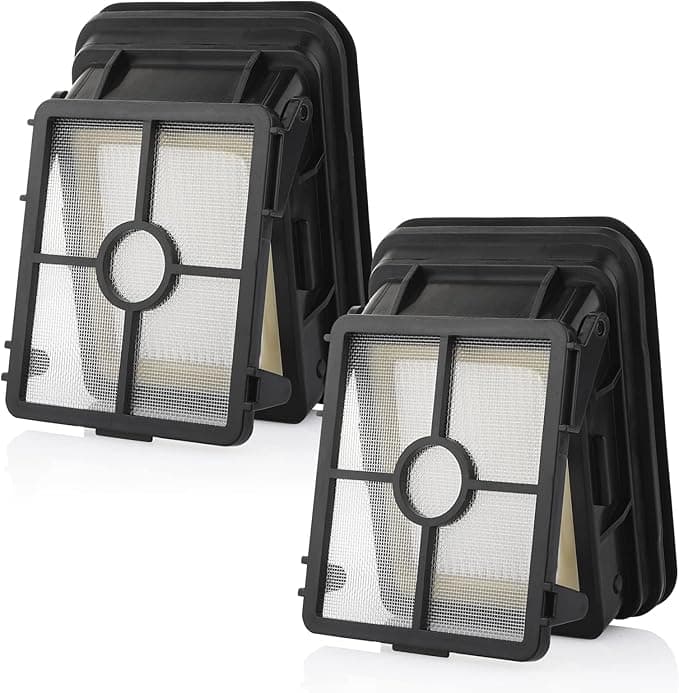
- Inspect the Filters: Clogged filters can lead to decreased suction. Remove and clean the filters as per the user manual instructions.
- Unclog the Hose: Debris can get stuck in the hose, obstructing airflow. Use a long object to gently push any blockages through.
- Clear the Brush Roll: Hair and debris can accumulate on the brush roll. Remove it and clean it thoroughly to restore suction.
2. Odor During Operation
- Clean the Vacuum: Sometimes, pet hair and dirt can get trapped in the vacuum, causing odors. Give your vacuum a thorough cleaning.
- Replace Filters: Old or dirty filters can cause smells to emanate from the vacuum. Consider replacing them if washing doesn't eliminate the odor.
- Check for Blockages: As with suction loss, blockages can contribute to odors. Ensure that all pathways are clear.
Cost Analysis: Original Brand vs Our Compatible Replacement Part
One of the most important aspects to consider when maintaining your vacuum is the cost of replacement parts. Below is a comparison table outlining the estimated yearly costs of original Bissell replacement parts versus our compatible replacement parts.
| Type of Part | Original Bissell Cost (Yearly) | Our Compatible Cost (Yearly) | Annual Savings |
|---|---|---|---|
| Filters (2 sets) | $50 | $25 | $25 |
| Hose | $30 | $15 | $15 |
| Brush Roll | $40 | $20 | $20 |
| Total | $120 | $60 | $60 |
By choosing our compatible replacement parts, you can save approximately $60 annually. This not only allows you to maintain your vacuum's performance but also keeps your budget intact.
Installation Pro-Tips: Making the Process Smooth
Replacing parts in your vacuum should be straightforward, but here are some pro-tips to ensure a smooth installation:
- Flush the new filter for 3 minutes under running water before installing. This helps remove any manufacturing debris.
- When installing the hose, make sure it clicks into place. Listen for a snap to ensure it's secure.
- After replacing the brush roll, spin it by hand to ensure it moves freely before sealing the vacuum back up.
FAQ Section: Common Questions Answered
1. Will using a compatible part void my warranty?
No, using compatible replacement parts typically does not void your warranty. However, it’s always good practice to check the terms of your specific warranty.
2. How long do replacement parts last?
Replacement parts can last anywhere from 6 months to a year, depending on usage frequency and maintenance. Regular cleaning can extend their lifespan.
3. What if washing the filter doesn’t eliminate the smell?
If washing the filter doesn't help, it may be time to replace it. Filters can become saturated with odors that washing can't remove, leading to persistent smells during operation.
In conclusion, keeping your Bissell BISSELL-2303-B09R1V3KYW vacuum in top shape is not only feasible but also cost-effective. By addressing suction and odor issues through proper troubleshooting, understanding the cost benefits of compatible parts, and following installation tips, you can ensure your vacuum performs like new while saving money. Don't let a lack of maintenance rob you of the efficiency and effectiveness your vacuum can provide!